Inclusive Leadership: Practical Habits That Drive Sustainable, Equitable Business Growth
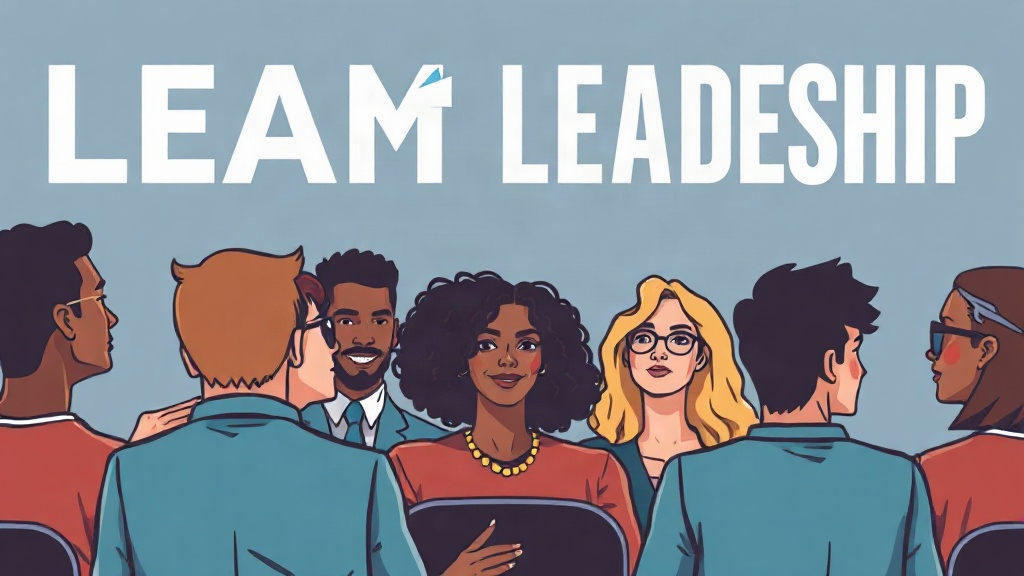
Inclusive leadership has moved from a "nice to have" to a core business capability. Organizations are under pressure to retain talent, make better decisions, and serve increasingly diverse markets, and the leaders who can do all three are the ones setting the pace. The conversation has also matured. It is no longer only about policies and programs; it is about the daily behaviors that make people feel they belong and can contribute.
What Inclusive Leadership Actually Means
Inclusive leadership is the practice of deliberately creating conditions where people from different backgrounds, perspectives, and working styles can participate fully and do their best work. It goes beyond representation targets. A team can look diverse on paper and still silence its quietest members, ignore dissenting views, or reward only one style of communication.
Inclusive leaders close that gap. They listen before they decide, invite challenge, share credit, and notice who is missing from the conversation. Recent commentary, including Forbes' look at inclusive leadership as a driver of sustainable and equitable growth, reinforces the idea that inclusion is tied directly to long-term performance rather than being a separate cultural initiative.
Why It Matters for Growth
The business case rests on a few consistent themes:
- Better decisions. Teams that surface multiple viewpoints are less prone to groupthink and more likely to spot risks early. - Stronger retention. Employees who feel valued are far less likely to leave, which lowers hiring and training costs. - Wider market insight. Leaders who understand different customer groups build products and services that resonate more broadly. - Higher engagement. People who feel safe speaking up contribute more ideas and take more ownership.
Equitable growth also means ensuring that opportunity is distributed fairly, so that promotions, stretch assignments, and sponsorship do not default to the same narrow circle.
Recognition Is Spreading at the Local Level
Inclusive leadership is gaining visibility well beyond large corporations. The Greater Rochester Chamber of Commerce recently announced fourteen finalists for its Inclusive Leadership Award, a sign that regional business communities increasingly treat inclusion as a mark of leadership excellence. Awards like this do more than celebrate individuals. They spotlight practical examples that other employers can study, adapt, and borrow from.
Practical Habits That Make a Difference
Inclusive leadership is built through repeated, observable actions. Leaders who want to strengthen their approach can start with these habits:
1. Ask for input from every voice. In meetings, invite quieter team members to share first or offer written channels for feedback. 2. Examine who gets opportunities. Review who receives high-visibility projects and who is being mentored or sponsored. Adjust where patterns skew. 3. Practice curiosity over judgment. When a view differs from yours, ask questions to understand its source before responding. 4. Model vulnerability. Admitting mistakes and gaps in knowledge signals that learning is valued over appearing perfect. 5. Design for flexibility. Hybrid schedules, varied communication formats, and accessible tools allow more people to contribute effectively. 6. Hold yourself accountable. Set clear goals, gather honest feedback, and track progress in ways the team can see.
Common Pitfalls to Avoid
Well-meaning leaders often stumble in predictable ways. Treating inclusion as a one-time training session is one of them. Another is relying on a single champion or an HR team to carry the effort, when responsibility needs to sit with every manager. Finally, avoid performative gestures. Employees quickly notice when public statements are not matched by changes in hiring, pay, promotion, or day-to-day treatment.
Measuring Progress
What gets measured gets managed. Useful indicators include engagement and belonging survey results, representation across levels, promotion and attrition rates by group, and the quality of feedback from skip-level conversations. The numbers matter, but so do the stories behind them. Combining quantitative data with open dialogue helps leaders understand not just what is happening, but why.
The Road Ahead
As workplaces continue to evolve with new technology, distributed teams, and shifting expectations, inclusive leadership will only become more important. Leaders who build trust, share power, and keep learning will be better equipped to navigate change. The organizations that invest in these skills today are laying the foundation for resilient, innovative, and fair workplaces that can sustain growth for the long run.